Nevada Regulator Details Prediction Market Expansion Risks at Legislative Gathering
Written by Harper Walter · Jul 17, 2026
Nevada Regulator Details Prediction Market Expansion Risks at Legislative Gathering
Mike Dreitzer, chairman of the Nevada Gaming Control Board, delivered remarks at the National Council of Legislators from Gaming States' Summer Meeting that outlined how prediction markets tied to sports events might develop into broader offerings resembling online casinos along with physical terminals similar to slot machines, all potentially operating outside established state regulatory systems, and the presentation occurred in mid-July 2026.
Dreitzer framed the situation as a three-act progression that begins with narrowly defined event contracts and then widens into products that resemble full casino experiences while shifting oversight responsibilities from state gaming commissions to federal agencies such as the Commodity Futures Trading Commission, and he noted that this trajectory creates questions about which level of government maintains authority over such activities.
The Three-Act Framework Presented by Dreitzer
Act one centers on contracts that allow participants to wager on the outcome of sporting events through prediction platforms, which have already gained traction in certain jurisdictions, while act two involves expansion into casino-style games that operate online and reach users nationwide without requiring licenses from individual states, and act three introduces physical devices placed in locations beyond traditional gaming venues that function like slot machines yet fall under commodity rather than gaming regulation.
Those who've followed regulatory developments observe that this sequence raises states' rights issues because state gaming authorities traditionally handle licensing, consumer protections, and responsible gaming measures, whereas federal commodity regulators apply different standards focused on market integrity and financial oversight rather than player safeguards or venue controls.
States' Rights and Regulatory Shift Concerns
Dreitzer emphasized that once prediction market products move beyond sports contracts, the regulatory path could bypass state processes entirely and place authority with the CFTC, which already oversees certain event contracts under commodity laws, and this change would mean that licensing requirements, age verification standards, and problem gambling resources developed by states might not apply uniformly across new platforms.
Legislators attending the summer meeting heard that Nevada continues to support innovation provided it occurs within existing gaming frameworks that include proper licensing and built-in consumer protections, and the state has long maintained that activities involving chance adn wagering on outcomes should remain subject to gaming-specific rules rather than commodity classifications alone.
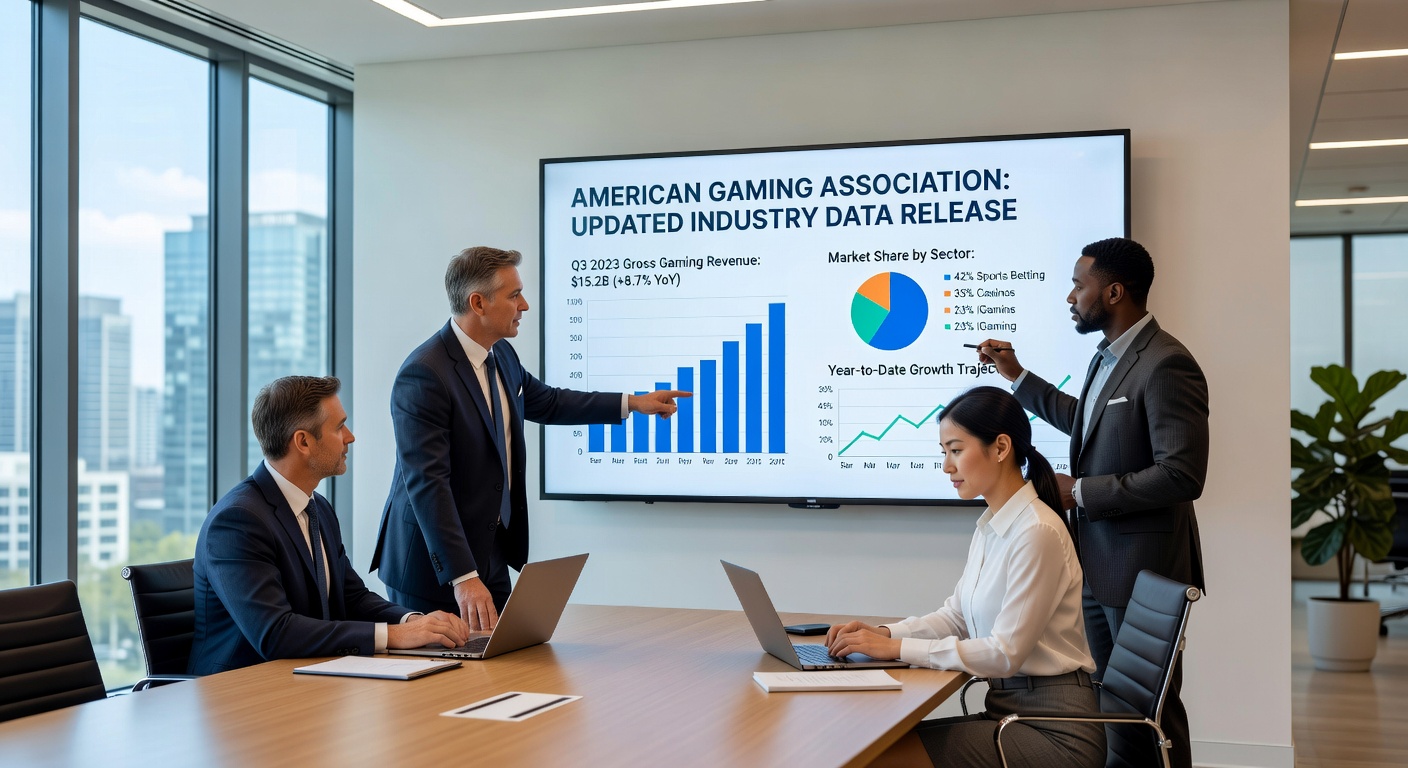
One case that illustrates the tension involves platforms that began with sports-based contracts and later tested boundaries by offering contracts tied to entertainment or political events, which prompted discussions among regulators about where the line between prediction markets and gambling activities actually sits, while Dreitzer's presentation connected these early experiments to the larger risk of nationwide products emerging without state input.
Nevada's Position on Compliant Innovation
Nevada officials have consistently stated that any new gaming products should operate under state gaming control board oversight when they involve elements of chance and wagering, and Dreitzer reinforced this stance by pointing out that compliant operators already work within frameworks that require background checks, financial reporting, and measures to prevent underage participation along with tools for responsible play.
According to the chairman's comments, allowing prediction markets to evolve outside these structures could reduce the effectiveness of state-level programs designed to monitor operator conduct and respond quickly to emerging issues such as problem gambling patterns or unfair practices, and he encouraged legislators to consider how their own states might address similar developments before federal rules become the default.
Broader Context for Legislators
Attendees at the National Council of Legislators from Gaming States meeting represent multiple jurisdictions that currently regulate various forms of gaming, and Dreitzer's remarks highlighted the need for coordinated approaches so that states retain influence over products that resemble traditional casino offerings even when they appear in digital or terminal formats, and the discussion touched on how commodity classification might limit state revenue collection from licensing fees and taxes that currently support public programs.
Research from industry groups shows that prediction markets have grown rapidly in recent years through sports-focused contracts, yet the regulatory boundaries remain fluid because some products combine elements of skill, chance, and financial derivatives, and Dreitzer urged lawmakers to examine these overlaps before additional products launch without state involvement.
Conclusion
The warning delivered by the Nevada Gaming Control Board chairman at the July 2026 summer meeting underscores ongoing debates about where prediction markets fit within the wider regulatory landscape, and it illustrates how early-stage sports contracts could serve as the starting point for larger shifts that affect both online platforms and physical terminals across the country, while Nevada's approach continues to prioritize state-level licensing and consumer protections for any activities that fall under gaming definitions.