Prediction Market Lobbying Surges Amid Regulatory Scrutiny in Mid-2026
Written by Viktor Koch · Jul 26, 2026
Prediction Market Lobbying Surges Amid Regulatory Scrutiny in Mid-2026
Prediction market platforms and established gaming associations have escalated their federal lobbying activity during the first half of 2026, according to recent disclosure filings, and this increase coincides with growing congressional attention on how these markets operate alongside traditional betting sectors. Kalshi directed $990,000 toward in-house efforts while channeling additional funds through external firms to reach nearly $1.8 million overall, an amount that already exceeds the company's total spending for the full 2025 calendar year, while the American Gaming Association allocated $1.39 million internally and approached $1.8 million when outside consultants were included, reflecting a 30 percent rise compared with the same period one year earlier.
Context of Heightened Federal Attention
Observers note that lawmakers and regulatory bodies have directed increased focus toward prediction markets because of questions surrounding insider trading risks and the degree to which these platforms intersect with sports betting products already overseen by state regulators. Data from the first two quarters of 2026 shows both Kalshi and Polymarket expanding their advocacy presence in Washington as bills and oversight hearings address the legal boundaries between event contracts and wagering activities, and industry filings indicate that these platforms view sustained engagement with Congress as necessary to clarify regulatory treatment before further restrictions emerge.
Breakdown of Kalshi and Polymarket Spending
Kalshi's direct expenditures reached $990,000 through June 2026, yet when payments to lobbying firms are factored in the combined total approached $1.8 million, surpassing the company's entire 2025 outlay and signaling a strategic decision to maintain visibility on Capitol Hill during a period of legislative review. Polymarket likewise participated in these efforts, although specific line-item figures for that platform appear within broader industry reports rather than standalone disclosures, and together the two entities have positioned themselves to respond to concerns about market integrity while distinguishing their offerings from conventional casino and sports betting operations.
Those tracking the filings observe that the ramp-up occurred against a backdrop of hearings where legislators examined whether prediction contracts on political or economic events could inadvertently facilitate improper information flows, and representatives from the platforms have used lobbying channels to present data on compliance measures already in place.
American Gaming Association Response and Figures
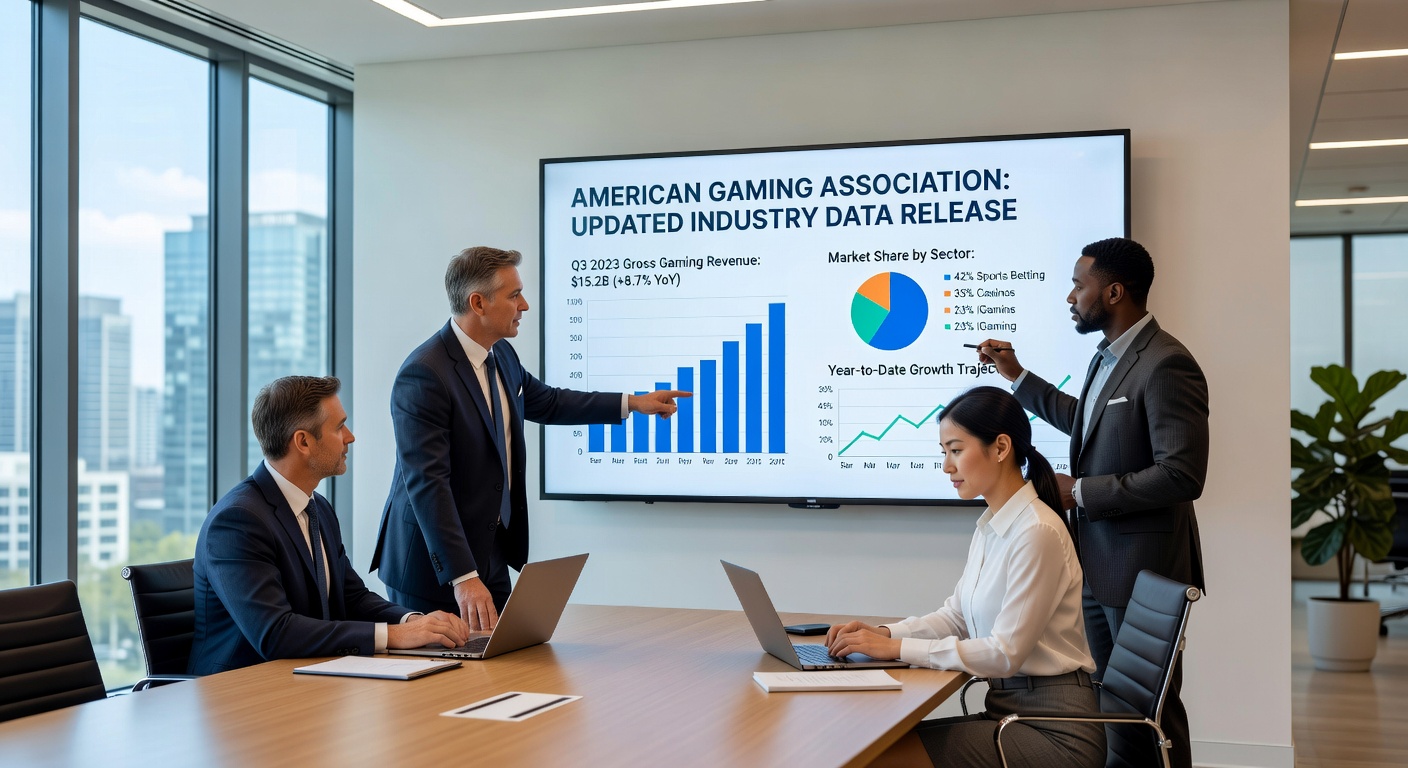
The American Gaming Association reported $1.39 million in direct spending for the first half of 2026, with total costs including retained firms nearing $1.8 million, a 30 percent increase over the corresponding six-month period in 2025, and association representatives have directed these resources toward highlighting regulatory overlaps between prediction markets and licensed sports betting. Industry records show the group emphasizing state-level oversight frameworks that already govern gaming activities, while urging federal policymakers to avoid creating parallel systems that could undermine existing consumer protections.
Figures released through standard Senate and House lobbying databases confirm the scale of these expenditures, yet they also reveal that both sides have concentrated resources on similar policy committees rather than broad public campaigns, and the pattern suggests a targeted approach to influence legislative language before any new bills advance to votes.
Key Issues Driving the Lobbying Push
Concerns cited in congressional correspondence include the potential for insider trading on contracts tied to elections or corporate announcements, as well as the blurring line between prediction platforms and sports books that accept wagers on athletic outcomes. Data compiled through mid-2026 indicates that regulators have requested additional information from Kalshi and Polymarket on verification procedures, while gaming associations have supplied analyses showing how state licensing regimes already address similar risks within their jurisdictions.
Those reviewing the activity note that lobbying outlays often accelerate when oversight hearings are scheduled, and the 2026 first-half totals reflect preparation for ongoing discussions that began in late 2025 and continued into the summer months. The July 2026 timing of the most recent disclosures aligns with quarterly reporting cycles, allowing stakeholders to adjust strategies based on the latest committee calendars.
Conclusion
Disclosure records from the first half of 2026 document a clear escalation in federal lobbying by prediction market operators and opposing gaming associations, with Kalshi's combined spending surpassing its prior full-year total and the American Gaming Association posting a 30 percent year-over-year increase. These developments unfold alongside sustained congressional examination of insider trading safeguards and the platforms' relationship to established sports betting markets, and subsequent filings will indicate whether the pace of advocacy continues through the remainder of the year.