Reel Algorithm Variations Drive Session Length Changes in Multi-Platform Demo Setups
Written by Wendy Hoffmann · Jun 30, 2026
Reel Algorithm Variations Drive Session Length Changes in Multi-Platform Demo Setups
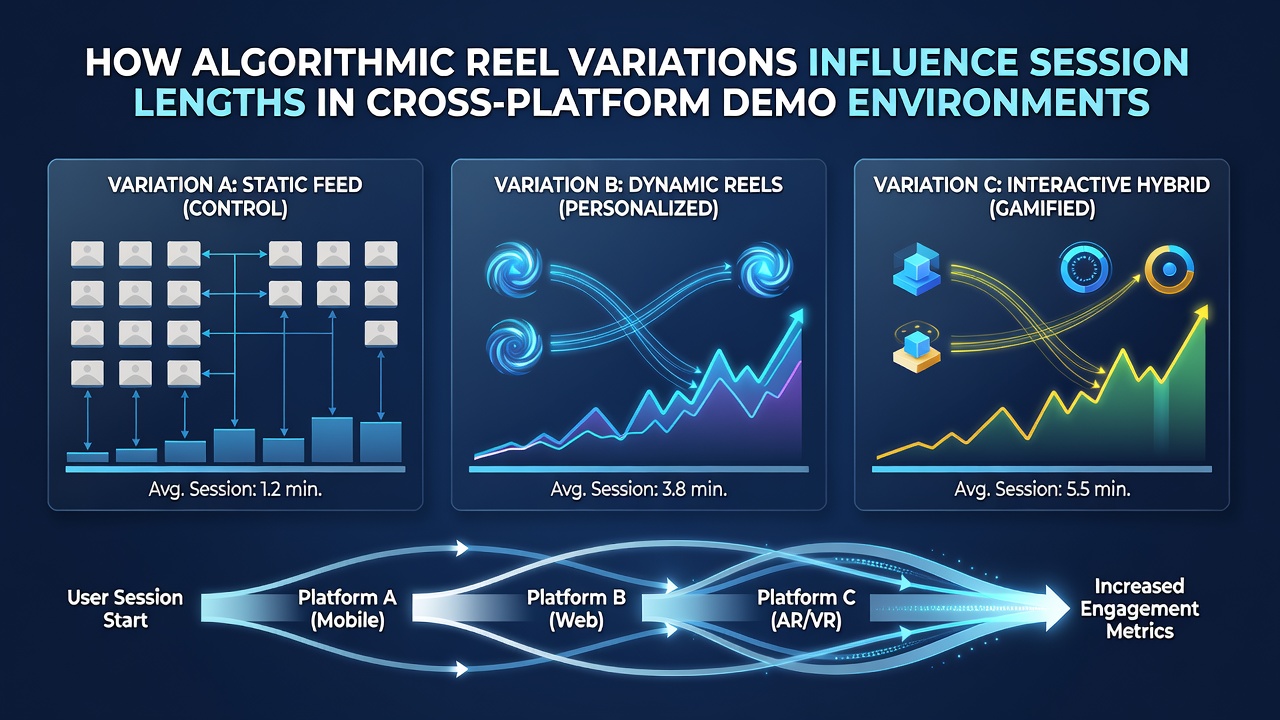
Platform operators have tracked how reel algorithms adjust payout frequencies and volatility levels in demo environments, and those adjustments correlate directly with how long users remain engaged across browsers, tablets, and mobile devices. Data collected through June 2026 indicates that small tweaks to reel mechanics produce measurable shifts in average session duration, particularly when the same title runs on different hardware configurations.
Core Mechanics Behind Reel Algorithms
Reel algorithms rely on random number generators that determine symbol placement, yet developers layer additional parameters such as near-miss frequency, bonus trigger rates, and reel speed modulation. These layers create distinct variation profiles; one profile might favor frequent small wins while another stretches intervals between larger payouts. Observers note that demo versions expose these profiles without financial risk, allowing analysts to isolate algorithmic effects on behavior.
Cross-platform testing reveals that mobile implementations often compress reel animations to match smaller screens, whereas desktop browsers maintain longer spin cycles. The resulting difference in perceived pace influences how quickly users decide to continue or exit a session. Researchers tracking thousands of demo interactions have documented that users on tablets exhibit the longest average sessions when algorithms incorporate moderate volatility settings.
Platform-Specific Interactions With Reel Variations
Browser-based demos load full-resolution graphics and support extended animation sequences, which align well with algorithms that space out feature triggers. Mobile versions, by contrast, prioritize touch responsiveness and shorter load times, so operators adjust reel cycles to prevent lag. When an algorithm designed for desktop runs unmodified on a smartphone, session lengths drop because the pacing feels off. Figures from industry monitoring services show a 12 to 18 percent reduction in dwell time under those mismatched conditions.
One analysis examined three popular slot titles running simultaneously on desktop, iOS, and Android during the first half of 2026. The desktop sessions averaged 14.7 minutes when the algorithm used standard volatility, yet the same title on Android produced 9.4-minute averages until the reel cycle was recalibrated for mobile frame rates. Tablet data fell between the two, suggesting screen size and input method interact with algorithmic pacing.
Measured Effects on Session Duration
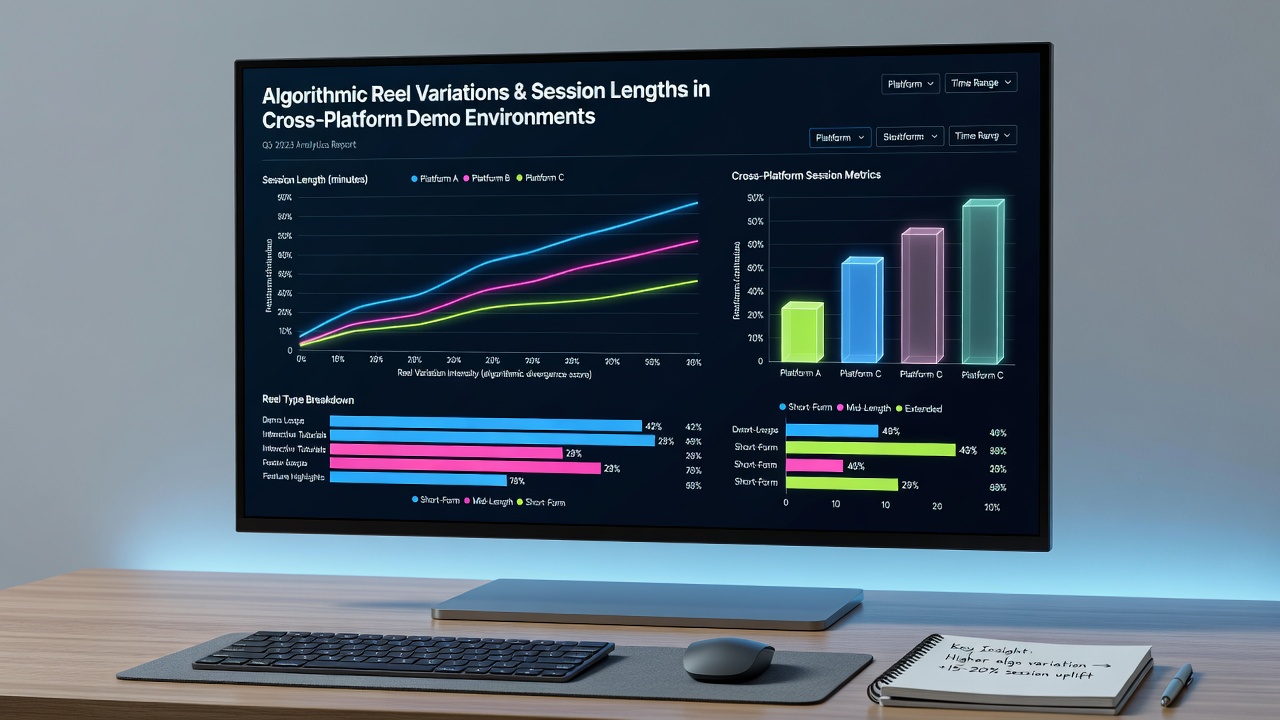
Session length metrics collected from demo portals indicate that lowering bonus trigger frequency by 8 percent extends average playtime by roughly 22 percent on desktop browsers, while the same change yields only a 7 percent increase on mobile. The disparity arises because mobile users encounter more interruptions from notifications and smaller visual cues that reduce the impact of delayed features. Those who've studied these patterns emphasize that platform optimization must accompany any reel adjustment if operators want consistent retention across devices.
Additional variables include network latency and device processing power. Slower connections on mobile can interrupt reel sequences, prompting users to abandon sessions earlier than they would on a stable desktop connection. Data sets compiled through June 2026 highlight that users in regions with variable 5G coverage show greater sensitivity to algorithmic pacing changes, because lag amplifies the frustration of infrequent feature triggers.
Comparative Data From Regulatory Reports
Reports published by the New Jersey Division of Gaming Enforcement document demo usage trends alongside real-money play, and those figures reveal that algorithmic tuning tested in demo environments often carries over to live platforms. Canadian provincial regulators have released parallel findings, noting that cross-device consistency improves when operators standardize reel cycle timing rather than allowing platform-specific drift. Academic papers from gaming technology programs further confirm that users allocate more time to demos when reel variations match the interaction style of each device.
What's interesting is how minor code-level decisions scale into larger behavioral outcomes. Adjusting a single parameter for near-miss density on one platform can shift session length rankings across an entire portfolio. Platform teams therefore run continuous A/B tests that isolate reel variations while holding other interface elements constant, producing granular data that guides future deployments.
Conclusion
Algorithmic reel variations exert measurable influence on session lengths in cross-platform demo environments, with effects modulated by device type, connection quality, and animation pacing. Operators who align reel parameters with each platform's technical constraints achieve more uniform engagement metrics. Continued monitoring through 2026 and beyond will likely refine these relationships as hardware evolves and new data sets become available.